Cashmere vs Merino vs Lambswool - Your Ultimate Knitwear Guide

As the temperature dips and we head into the cooler months across New Zealand, the focus of our wardrobes shifts from light linens and cottons to the comforting embrace of knitwear. At Ballantynes, we understand that selecting the perfect jumper is more than a simple purchase, it’s an investment in your personal comfort and style.
However, when faced with a curated selection of Cashmere, Merino, and Lambswool, even the most discerning shopper may wonder – which one is right for me? This guide explores the nuances of these three premium fibres, comparing their warmth, durability, and price points to help you find your next wardrobe staple.
Cashmere - The Pinnacle Of Luxury
Often referred to as the "diamond of fibres” cashmere is harvested from the soft undercoat of Kashmir goats. Unlike sheep’s wool, which is shorn from the animal, cashmere is meticulously combed out by hand during the goats' moulting season.
Warmth: Cashmere is renowned for its incredible insulation. In fact, it can be up to eight times warmer than standard sheep’s wool without the added bulk. This is because it's fine, crimped fibres create tiny air pockets that trap body heat, providing a cloud-like warmth that is unmatched in other fibres.
Price Point: The most expensive of our three fibres, the high price of cashmere directly reflects its rarity and the labour-intensive process required to produce it. A single goat produces only about 150-200 grams of fibre annually, barely enough for half a sweater. When you purchase cashmere, you are investing in a piece of quiet luxury designed to be a lifelong companion.
Durability and Care: While cashmere is incredibly soft (boasting a micron count between 14 and 19), it is also the most delicate of the three fibres and is prone to pilling in areas of high friction. However, high-quality cashmere actually becomes softer with age and gentle hand-washing, and the occasional use of a cashmere comb will keep your investment looking pristine for decades.
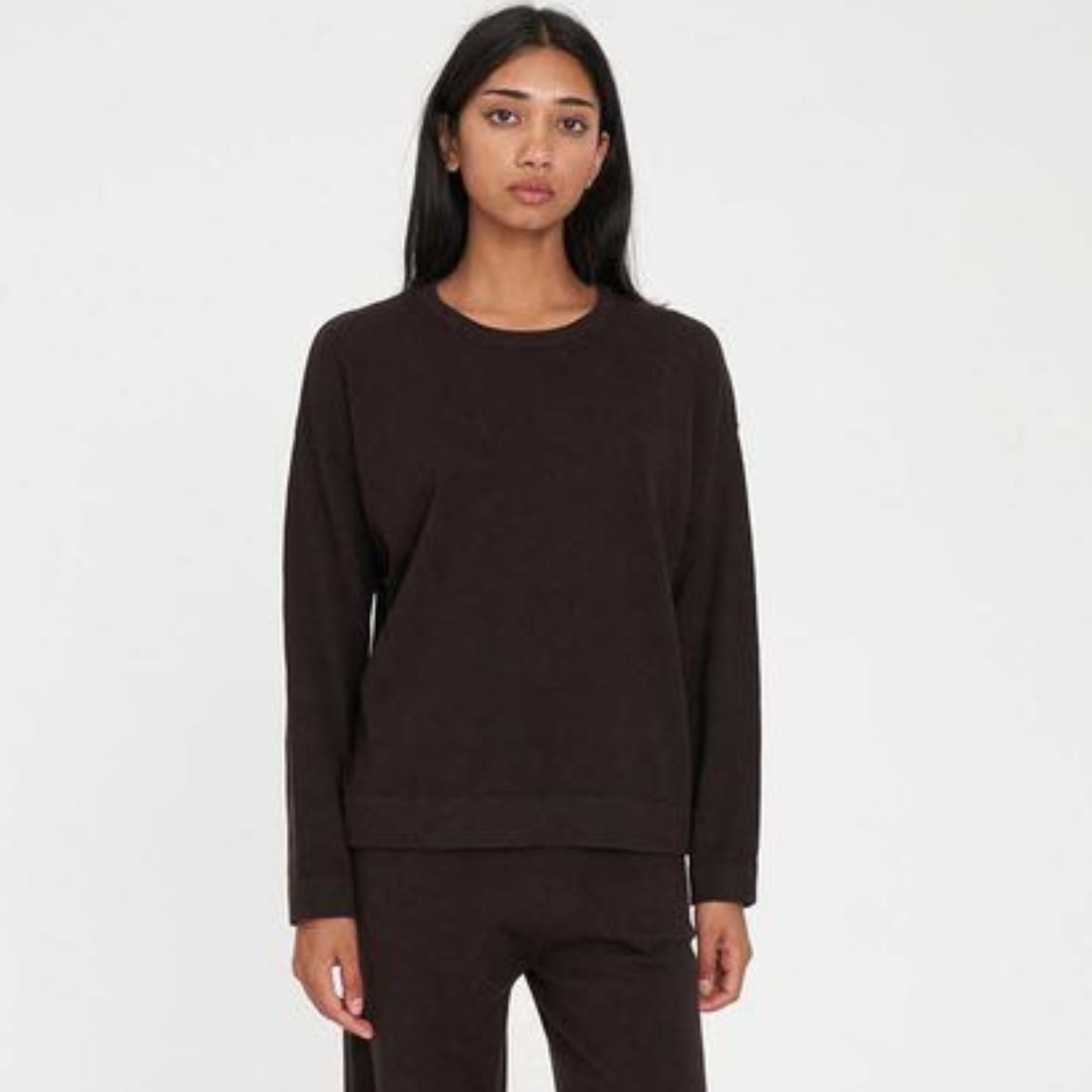
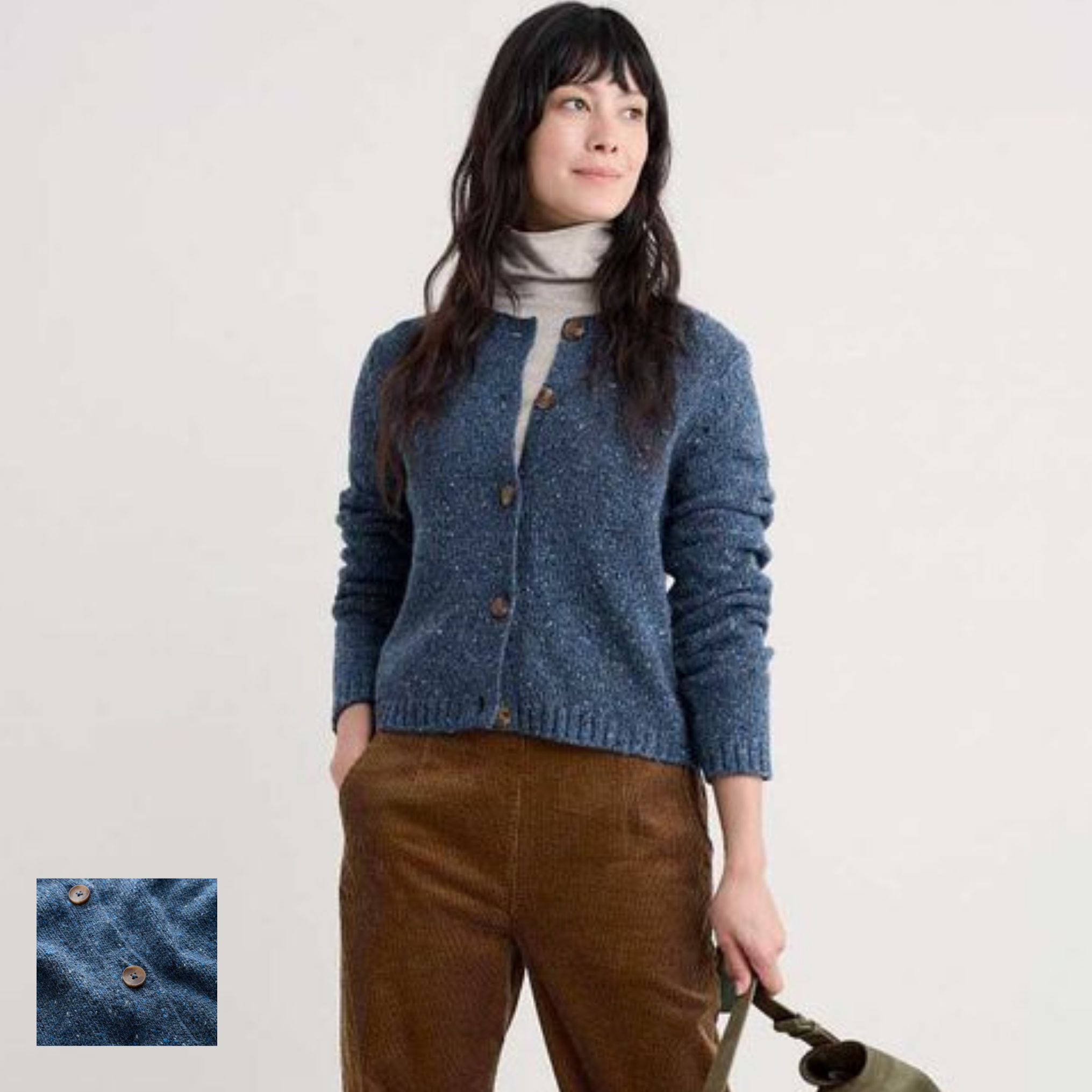
Merino - The Versatile All-Rounder
Merino is the versatile hero of the popular New Zealand outdoor lifestyle. Sourced from Merino sheep, predominantly found right here in the high country of New Zealand (and/or Australia), this wool has revolutionised modern knitwear.
Warmth: Merino is unique because it is thermoregulating. It keeps you warm in the winter, but thanks to its high breathability and moisture-wicking properties, it won't cause you to overheat when you step into a heated office or a bustling café.
Price Point: Merino offers exceptional value for money at a more accessible price point than cashmere while still delivering a premium feel. Because Merino sheep produce a higher yield of wool than goats, the cost of production is lower, making it the ideal choice for everyday luxury and layering.
Durability and Care: Merino fibres are exceptionally long and elastic. This means a Merino garment can be bent, stretched, and moved in without losing its shape. It is far more resistant to pilling than cashmere and is often machine-washable on a gentle cycle, making it the most practical choice for a busy everyday lifestyle.
Comparison of Cashmere, Merino Wool, and Lambswool across key attributes
| Feature | Cashmere | Merino Wool | Lambswool |
|---|---|---|---|
| Softness | Exceptional (Silky) | Very High (Smooth) | High (Textured) |
| Warmth | Highest (Insulating) | High (Regulating) | High (Substantial) |
| Durability | Delicate | Very High | High |
| Best For | Evening wear, formal events | Layering, active lifestyle | Casual wear, outdoor walks |
| Price | Premium | Investment | Mid-range / Accessible Luxury |
Lambswool - The Classic Choice
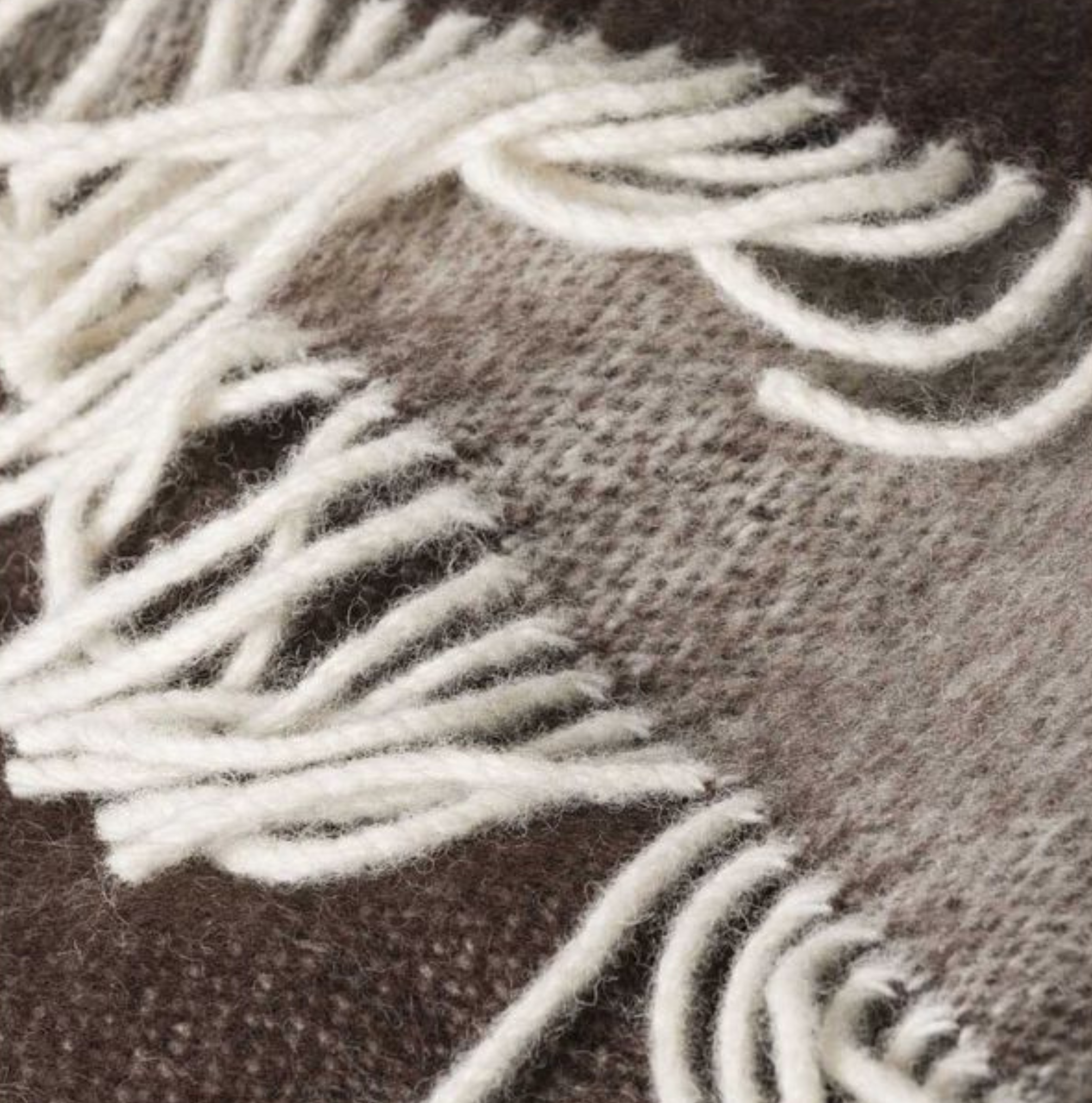
Lambswool is the wool taken from the very first shearing of young sheep (lambs). It represents a beautiful middle ground between the ruggedness of traditional wool and the softness of premium fibres.
Warmth: Lambswool is generally thicker than Merino or Cashmere. It offers a more substantial kind of warmth that feels protective against a brisk southerly wind. It is naturally hypoallergenic and breathable, making it a favourite for chunky winter jumpers and scarves.
Price Point: As the most abundant of the three fibres, lambswool is also the most affordable. It allows you to enjoy the benefits of 100% natural wool (breathability, warmth, and odour resistance) at a price point that is perfect for seasonal updates or thoughtful gifting.
Durability: Lambswool is remarkably resilient. It is less prone to snagging or tearing than cashmere and holds its structure beautifully over time. While it may have a slightly more "textured" feel compared to the silkiness of cashmere, it is significantly softer than standard sheep's wool.
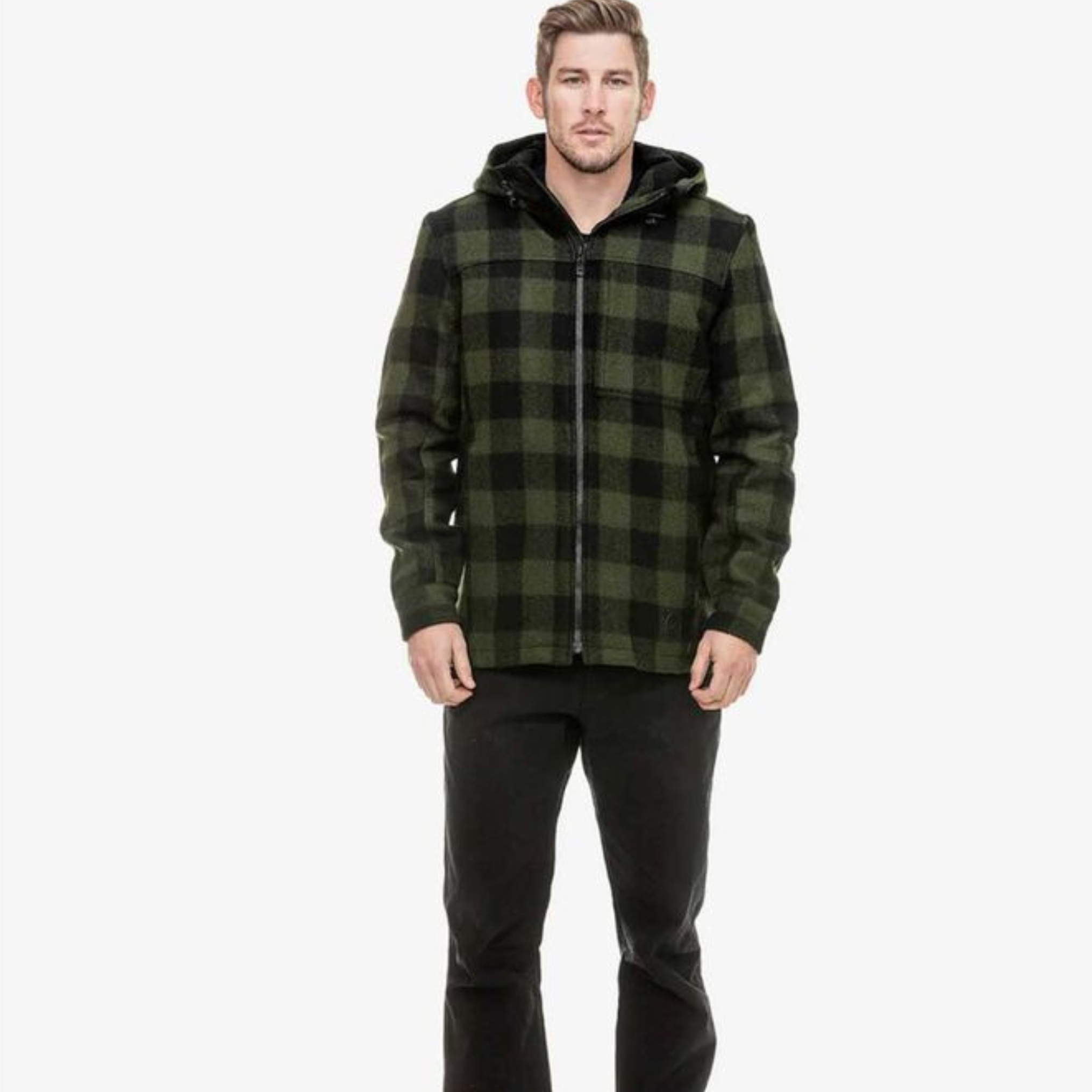
Which One Should You Buy?
Choosing between these three fibres isn't just about finding the "best" wool, but rather the best wool for the occasion.
Choose Cashmere: If you are looking for a statement piece for a special event, or you want the ultimate "treat yourself" indulgence. It is the perfect choice for someone who prioritises sensory comfort and elegance above all else.
Choose Merino: If you need a workhorse for your wardrobe. If you want a sweater you can wear to the office, out for a walk, and even while travelling, Merino’s durability and temperature control make it the clear winner for everyday wear.
Choose Lambswool: If you love the look of a classic, chunky knit and want a reliable, warm garment that can handle the rigours of everyday wear without a premium price tag.
Fibres like Cashmere, Merino, and Lambswool are naturally biodegradable and, when sourced responsibly, represent a far more sustainable choice than synthetic alternatives. By choosing a high-quality, naturally sourced garment, you are placing value on quality and craftsmanship over disposability, so you really can't get it wrong.
Discover your perfect knitwear at Ballantynes today!